The Socratic Classroom: Adaptive AI Tutors Reshaping Personalized Learning Systems
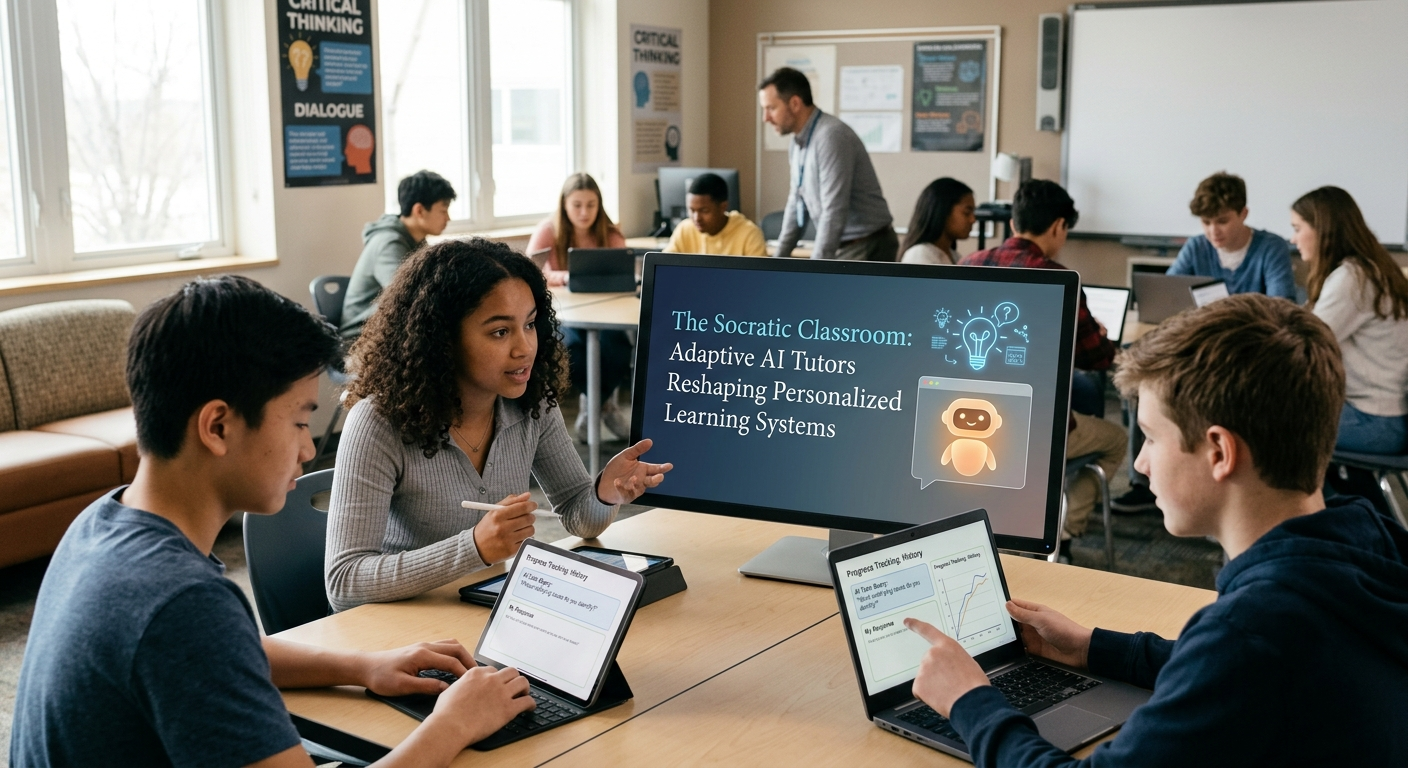
Adaptive AI tutoring platforms are fundamentally replacing static lectures with dynamic, 1-on-1 Socratic learning experiences. By evaluating each student’s real-time comprehension, pacing, and cognitive retention, these systems tailor instructional content instantly. Teachers transition from repetitive lecturing to high-impact mentorship, while learners across the globe gain immediate access to personalized, interactive academic support that eliminates traditional learning gaps.
What is it?
An adaptive AI tutor is an intelligent learning engine that engages students through interactive dialogue, real-time feedback, and dynamic difficulty scaling. Instead of giving direct answers, it uses Socratic questioning to guide students through complex problem-solving steps.
Rais of it
The rise of AI tutoring is fueled by widespread teacher shortages, severe post-pandemic learning loss, and educator burnout. Traditional one-size-fits-all classroom formats failed to address individual learning speeds, creating an urgent demand for scalable, individualized academic support.
Continues to Expand
AI tutoring systems are expanding rapidly beyond traditional K-12 and university education into corporate upskilling, standardized test preparation, vocational certifications, and special education.
Cloud Computing Enables Growth
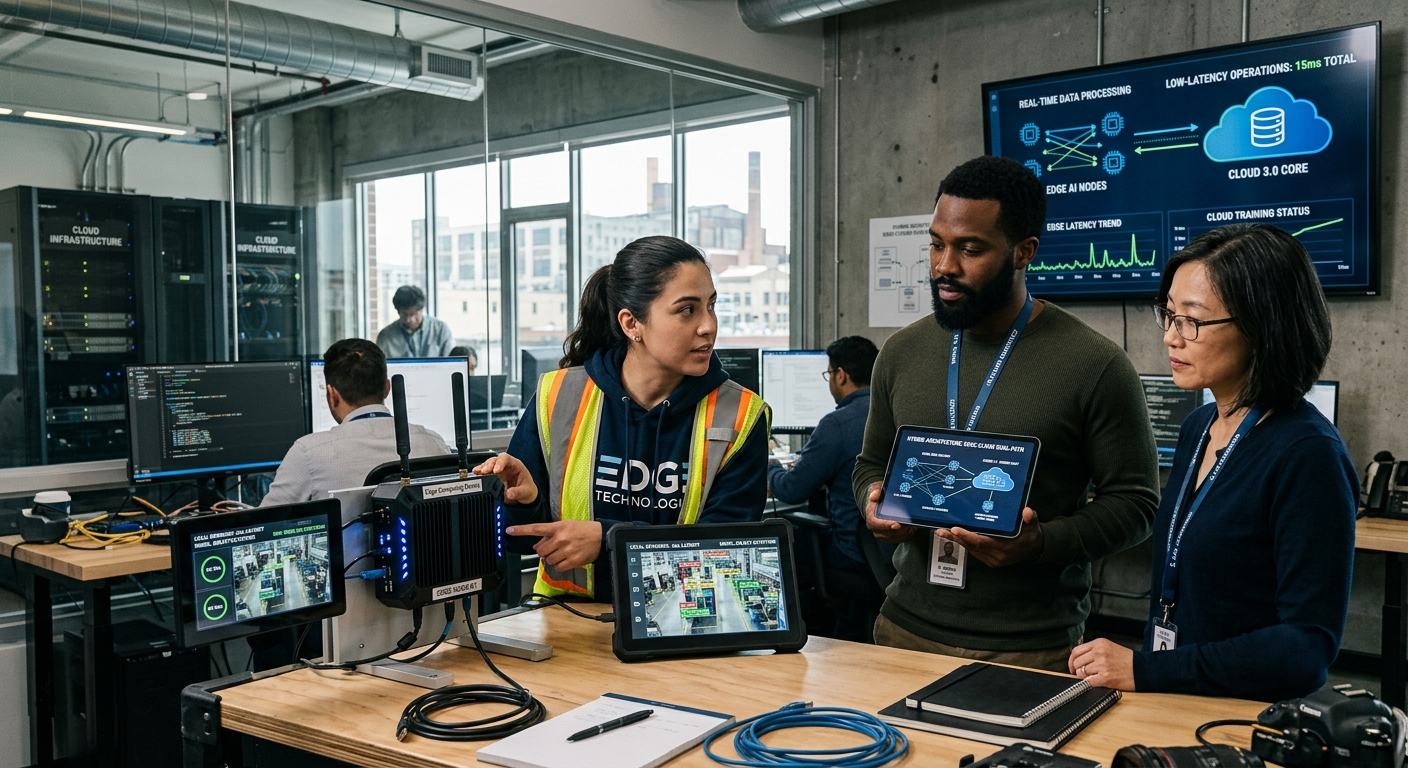
Cloud computing delivers the low-latency processing, real-time database syncing, and global scalability required to run complex language models simultaneously for millions of students worldwide without requiring localized hardware investments.
Opportunities for Entrepreneurs
Entrepreneurs can capitalize on this shift by building subject-specific tutoring apps, AI-driven grading engines, teacher workflow automation tools, and multilingual adaptive platforms for underserved markets.
Challenges
Key hurdles include preventing student over-reliance on automated assistance, managing strict student data privacy regulations, eliminating model hallucinations, and bridging infrastructure gaps in low-resource school districts.
Future Outlook
Classrooms will operate on a hybrid model where AI handles customized drill practice, dynamic homework, and administrative grading, allowing human educators to focus entirely on social-emotional growth, mentorship, and project-based learning.
Conclusion
Adaptive AI tutoring democratizes high-quality, personalized education, closing achievement gaps while elevating teachers into higher-level mentors.
Frequently Asked Questions
- 1. What is it? It is an AI-powered educational system that acts as a 24/7 personal tutor, adjusting lesson difficulty and style based on individual student performance.
- 2. How does AI contribute to it? AI analyzes learner performance metrics in real time, uses conversational natural language processing, and generates custom exercises tailored to each student’s specific knowledge gaps.
- 3. What industries benefit the most? K-12 schools, higher education institutions, test preparation companies, corporate training departments, and language learning centers.