

Physical AI and Embodied Robotics: Intelligence Steps Out of the Screen
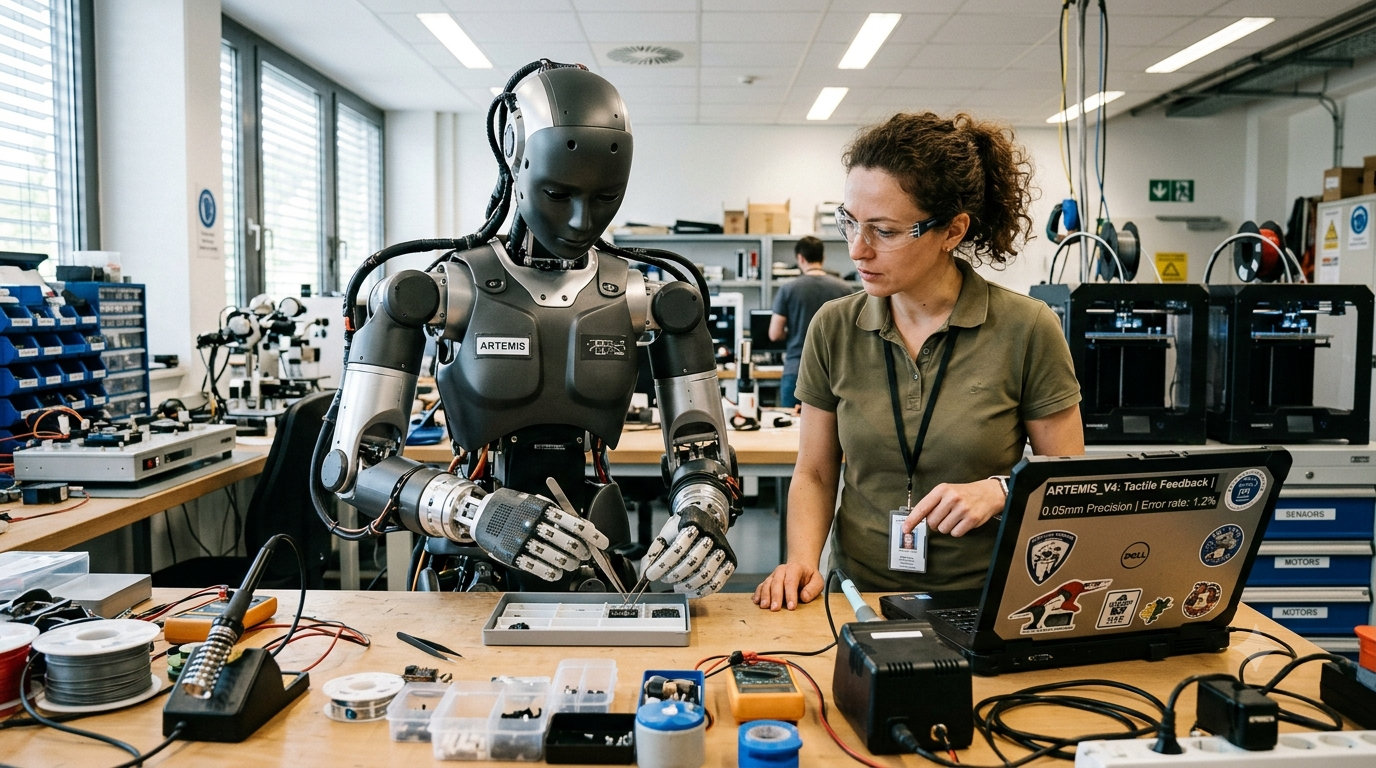
Physical AI combines generative models with robotics, enabling autonomous agents to interact directly with the physical world. Moving beyond digital screens, embodied intelligent systems now operate self-driving warehouse fleets, automated manufacturing lines, and humanoid maintenance robots. This convergence delivers real-time spatial decision-making and operational execution, fundamentally restructuring industrial productivity and global supply chain automation.
What is it?
Physical AI represents the fusion of artificial intelligence, computer vision, and mechanical robotics. It allows physical machines to perceive 3D environments, reason through complex spatial scenarios, and execute physical actions autonomously without needing pre-programmed static paths.
Rais of it
The rise of physical AI stems from massive breakthroughs in multi-modal foundation models and spatial computing, combined with severe industrial labor shortages in manufacturing and logistics. Declining hardware sensor costs and faster on-device inference chips enabled machines to navigate complex physical real-world environments safely.
Continues to Expand
Physical AI continues to expand rapidly from fulfillment warehouses into automotive assembly plants, hospital material delivery, agricultural harvesting, smart city management, and commercial facility maintenance.
Cloud Computing Enables Growth
Cloud computing acts as the centralized brain for physical AI by training massive foundation models on vast simulation datasets. It enables fleet-wide data sync, remote telemetry tracking, over-the-air model updates, and centralized optimization across thousands of deployed autonomous robots.
Opportunities for Entrepreneurs
- Synthetic Training Environments: Platforms generating realistic 3D simulation data for training robotic foundation models.
- Specialized Hardware Accessories: Developing low-cost tactile sensors, vision cameras, and modular robotic end-effectors.
- Fleet Orchestration Platforms: Software platforms managing multi-vendor autonomous robot fleets across enterprise facilities.
Challenges
- High hardware deployment and maintenance expenses.
- Physical safety hazards during unexpected human-robot real-world interactions.
- High edge computing power demands and battery life constraints on mobile units.
Future Outlook
Humanoid robots and autonomous machinery will work side-by-side with human workers in everyday industrial and domestic settings, seamlessly managing complex manual labor and spatial operations.
Conclusion
Physical AI transitions artificial intelligence from screen-based analytical assistance into active physical execution, redefining industrial efficiency and human-machine collaboration.
Frequently Asked Questions
- 1. What is it? Physical AI is the integration of autonomous AI software with physical robotics, allowing machines to perceive, reason, and act within physical space.
- 2. How does AI contribute to it? AI provides computer vision, spatial reasoning, trajectory planning, and real-time decision-making algorithms that guide physical mechanical movements.
- 3. What industries benefit the most? Logistics, manufacturing, automotive, healthcare facilities, agriculture, and construction.