




The Green Transition: How Clean Tech & Circular Microgrids are Reshaping Global Supply Chains
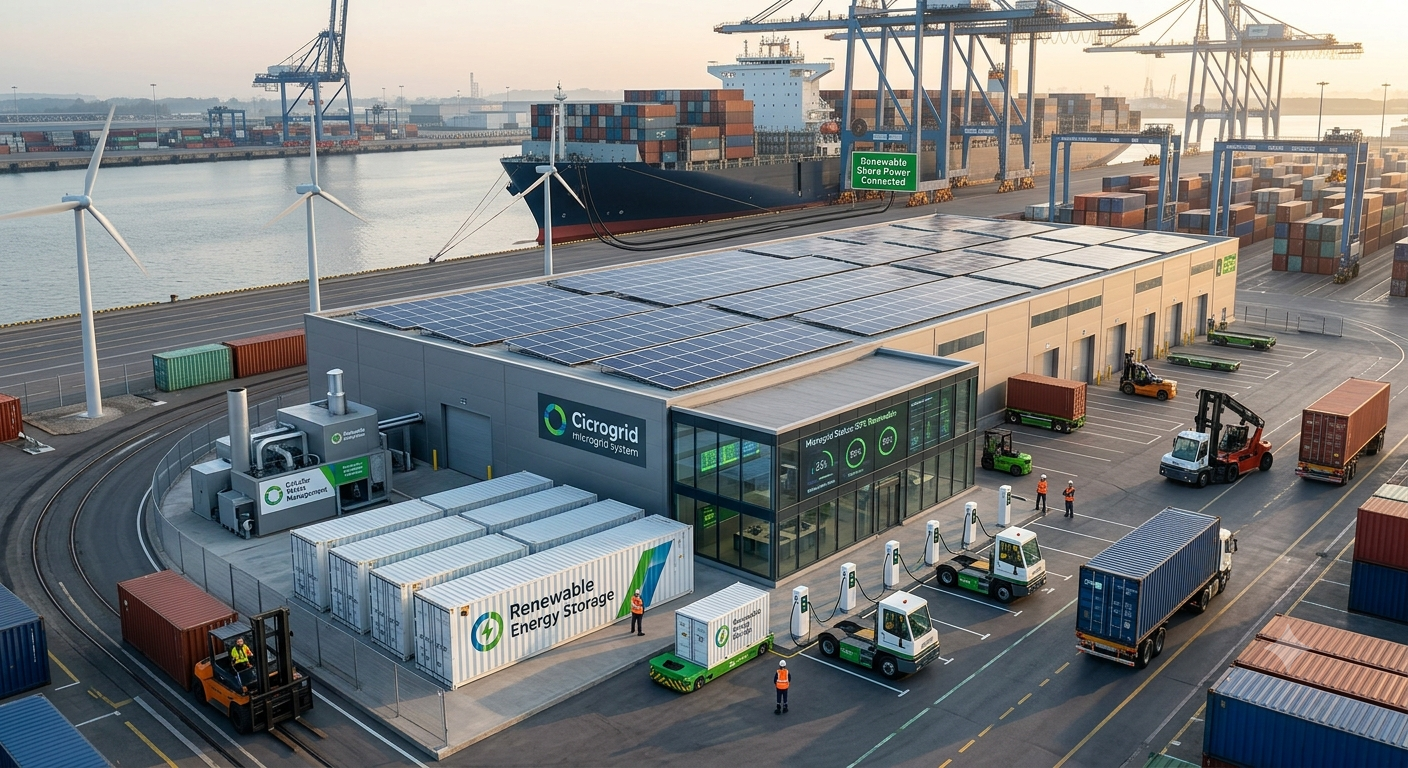
Clean technology and circular microgrids are driving a major shift in global industrial operations. By combining renewable energy storage, localized smart grids, and closed-loop manufacturing, businesses are slashing carbon emissions while cutting energy costs. Sustainability is no longer just a regulatory obligation—it has become a core driver of corporate profitability and supply chain resilience.
What is it?
Clean Tech and Circular Microgrids involve sustainable technologies, renewable energy generation, decentralized power storage, and resource-recycling systems designed to eliminate waste and deliver reliable, low-carbon energy directly to industrial and commercial operations.
Rise of it
Escalating energy costs, climate policy mandates, and volatile utility grids forced enterprises to seek energy independence. The drop in battery storage costs combined with heightened corporate net-zero commitments catalyzed the rapid rise of clean energy technology.
Continues to Expand
The green economy is expanding into smart grid management, industrial battery storage, circular procurement, corporate repair services, and localized waste-to-energy conversion systems.
Cloud Computing Enables Growth
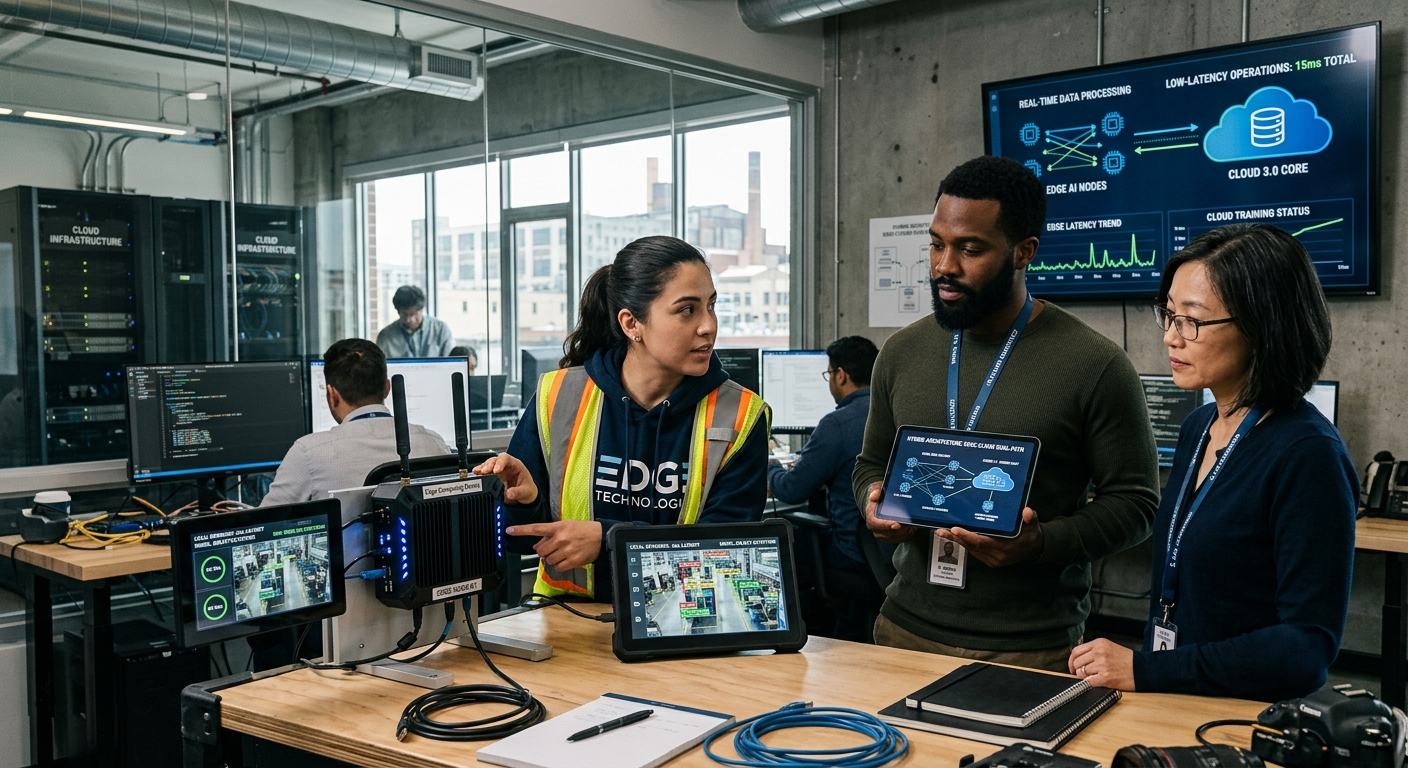
Cloud computing powers smart microgrids by processing massive streams of IoT sensor data, predicting local energy generation based on weather forecasting, and optimizing power distribution dynamically across decentralized energy nodes in real time.
Opportunities for Entrepreneurs
Entrepreneurs can launch ventures in microgrid installation and management, industrial circular procurement marketplaces, carbon accounting software, battery recycling technologies, and energy-as-a-service (EaaS) business models.
Challenges
Key challenges include high initial infrastructure installation costs, regulatory hurdles with utility monopolies, technology integration complexity, and intermittent renewable power production.
Future Outlook
Industries will transition toward self-sustaining, zero-waste operational loops, where decentralized clean microgrids and recycled material pipelines shield companies from external market shocks and resource scarcity.
Conclusion
Adopting clean technologies and circular principles is now essential for long-term operational resilience, offering both environmental sustainability and strong economic returns.
Frequently Asked Questions
- 1. What is it? Clean Tech and Circular Microgrids are integrated energy and resource management systems that generate renewable power locally and reuse materials within closed loops to minimize waste.
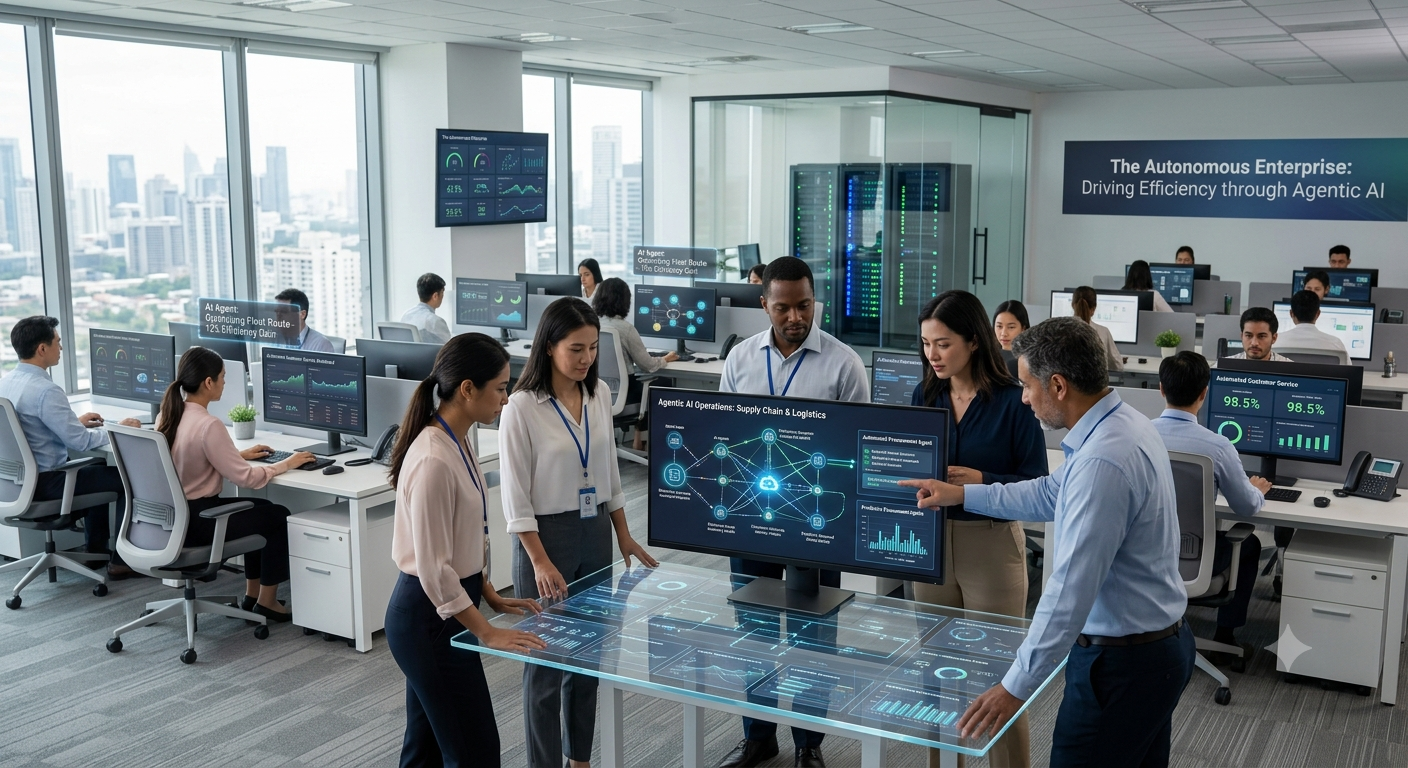
- 2. How does AI contribute to it? AI optimizes smart grid energy distribution, predicts equipment maintenance needs, forecasts renewable energy yields, and tracks material circularity across complex supply chains.
- 3. What industries benefit the most? Manufacturing, logistics, commercial real estate, agriculture, and heavy industrial processing benefit immensely through energy cost reduction and grid stability.