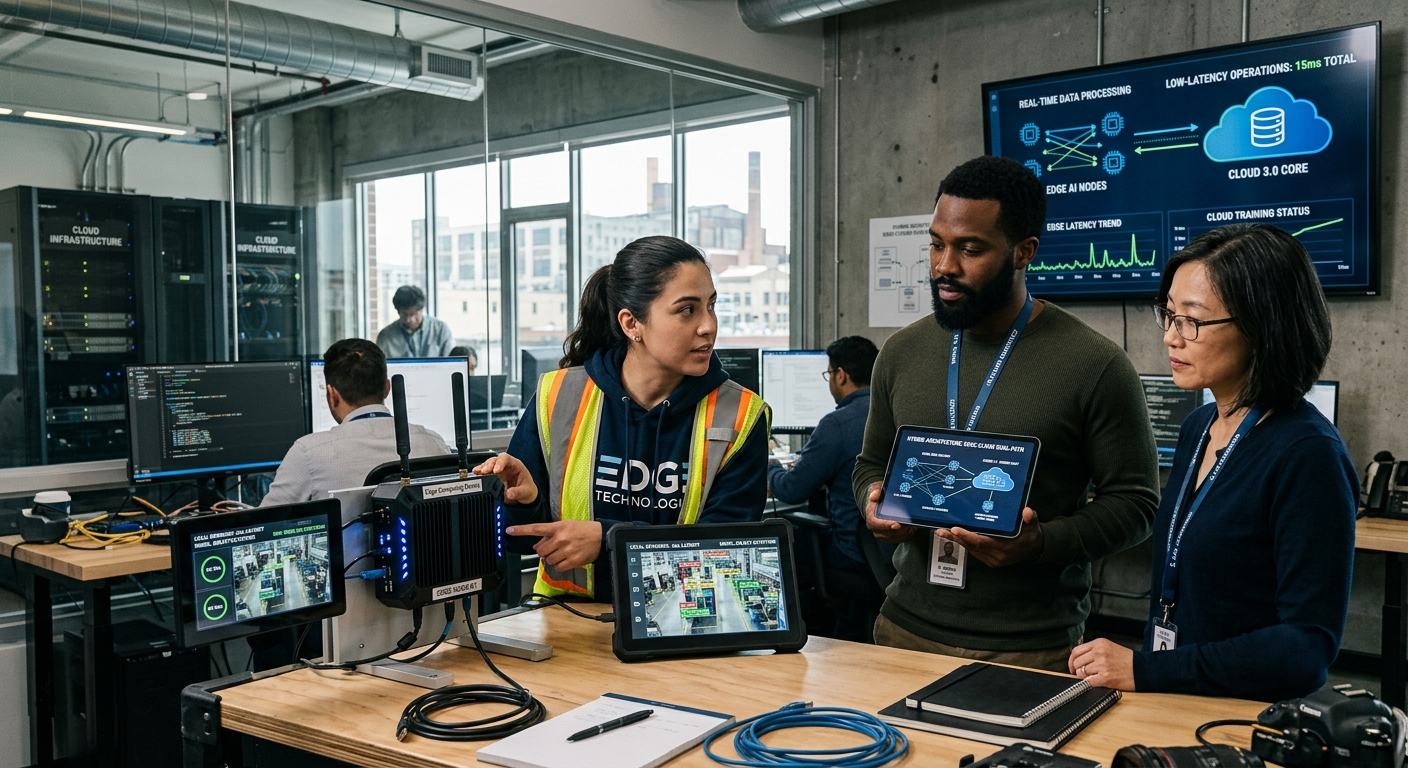

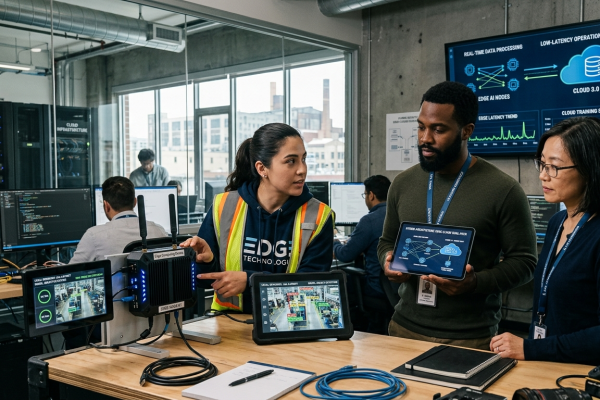
Edge AI and Cloud 3.0: Hybrid Architectures Powering Low-Latency Intelligence

About (in 60 words) Edge AI and Cloud 3.0 represent the decentralization of digital infrastructure, shifting data processing from remote central servers directly to local devices and distributed edge nodes. By combining local real-time processing with scalable multi-cloud networks, businesses achieve ultra-low latency, strict data sovereignty, and reduced bandwidth costs for mission-critical AI applications globally….

Read More

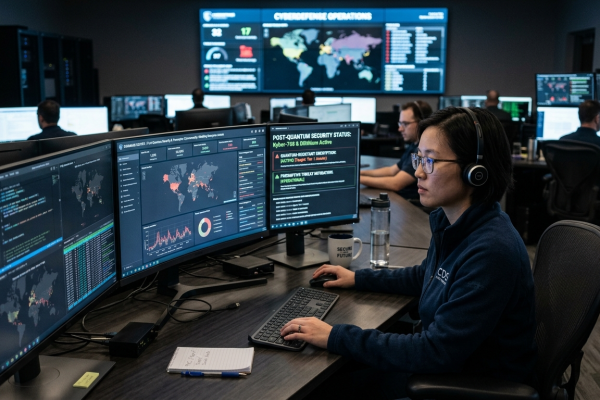
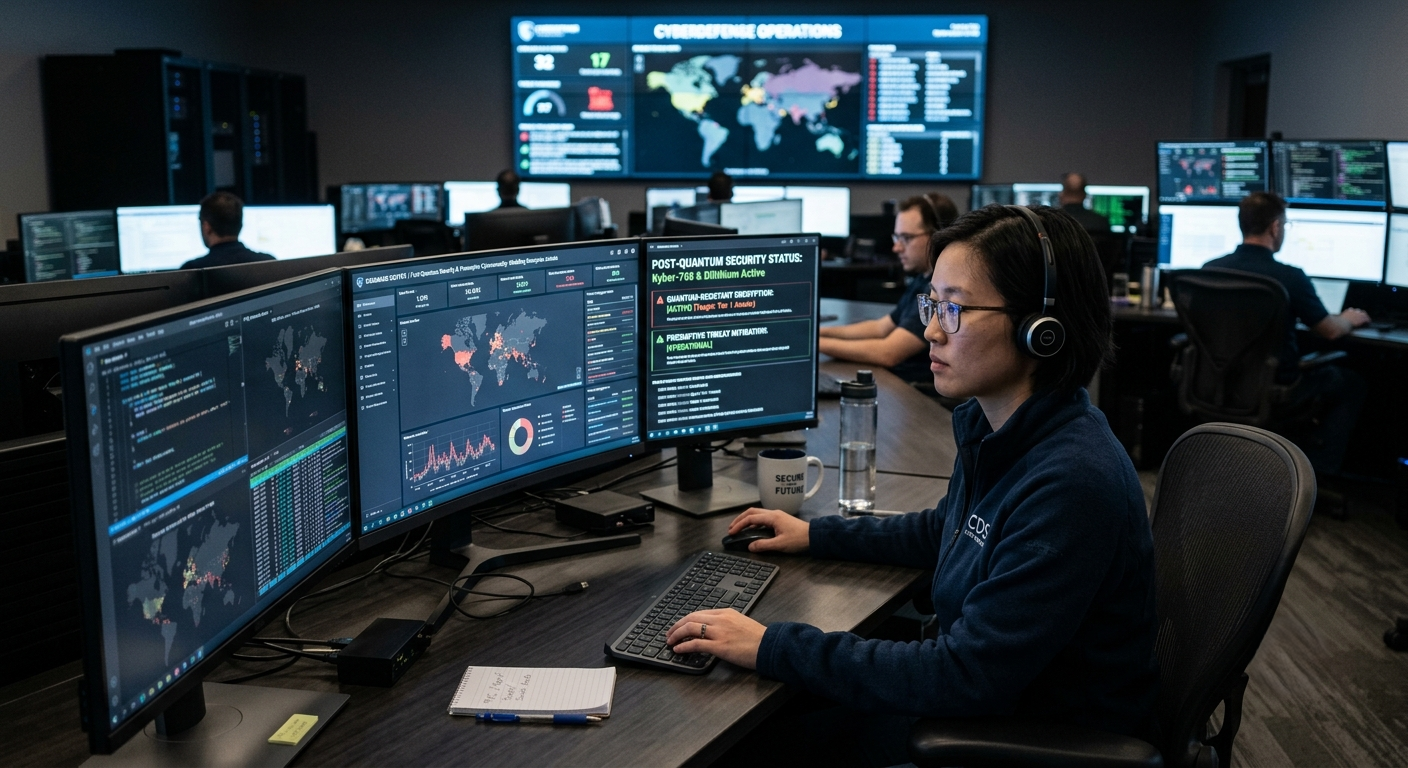
Post-Quantum Security & Preemptive Cybersecurity: Shielding Enterprise Assets

Post-quantum cryptography and preemptive cybersecurity are transforming enterprise data protection against emerging quantum computing capabilities and AI-driven cyber threats. By adopting quantum-resistant encryption algorithms and AI threat-hunting agents, modern security frameworks automatically detect vulnerabilities and neutralize sophisticated cyberattacks in real time, preserving digital sovereignty and protecting critical infrastructure from zero-day exploits. What is it? Post-quantum…

Read More

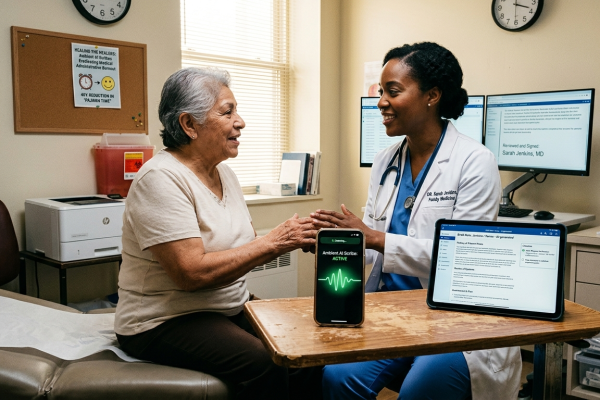
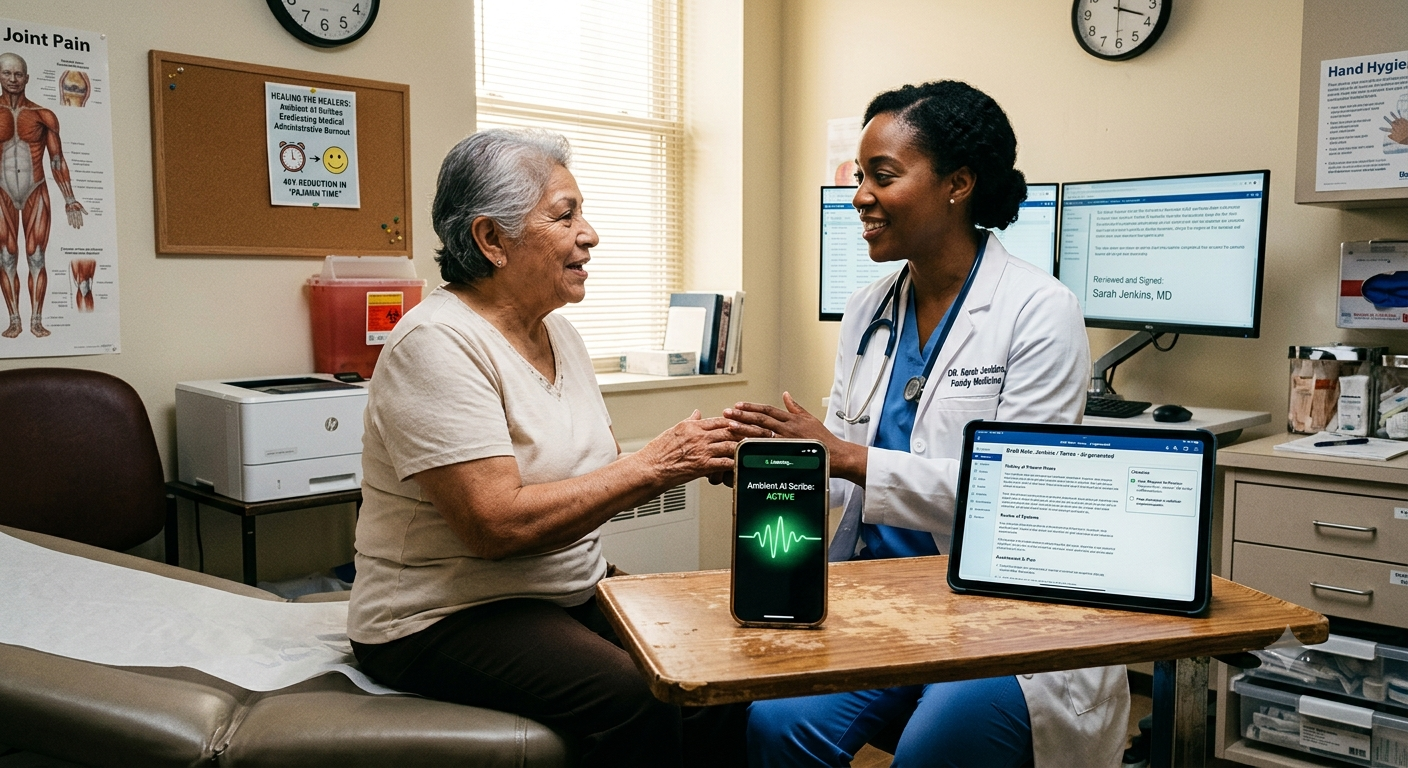
Healing the Healers: Ambient AI Scribes Eradicating Medical Administrative Burnout

Ambient AI clinical scribes utilize conversational artificial intelligence to listen quietly during doctor-patient consultations and instantly generate structured electronic health records. By automating clinical documentation and administrative workflows, these ambient systems eliminate hours of tedious keyboard work for physicians. This technology directly reduces healthcare professional burnout while allowing clinicians to devote their full attention to…

Read More

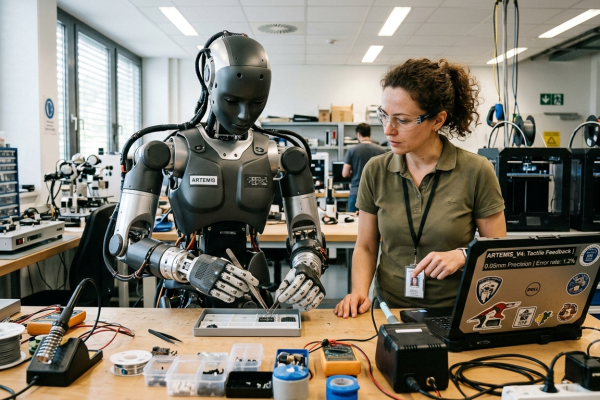
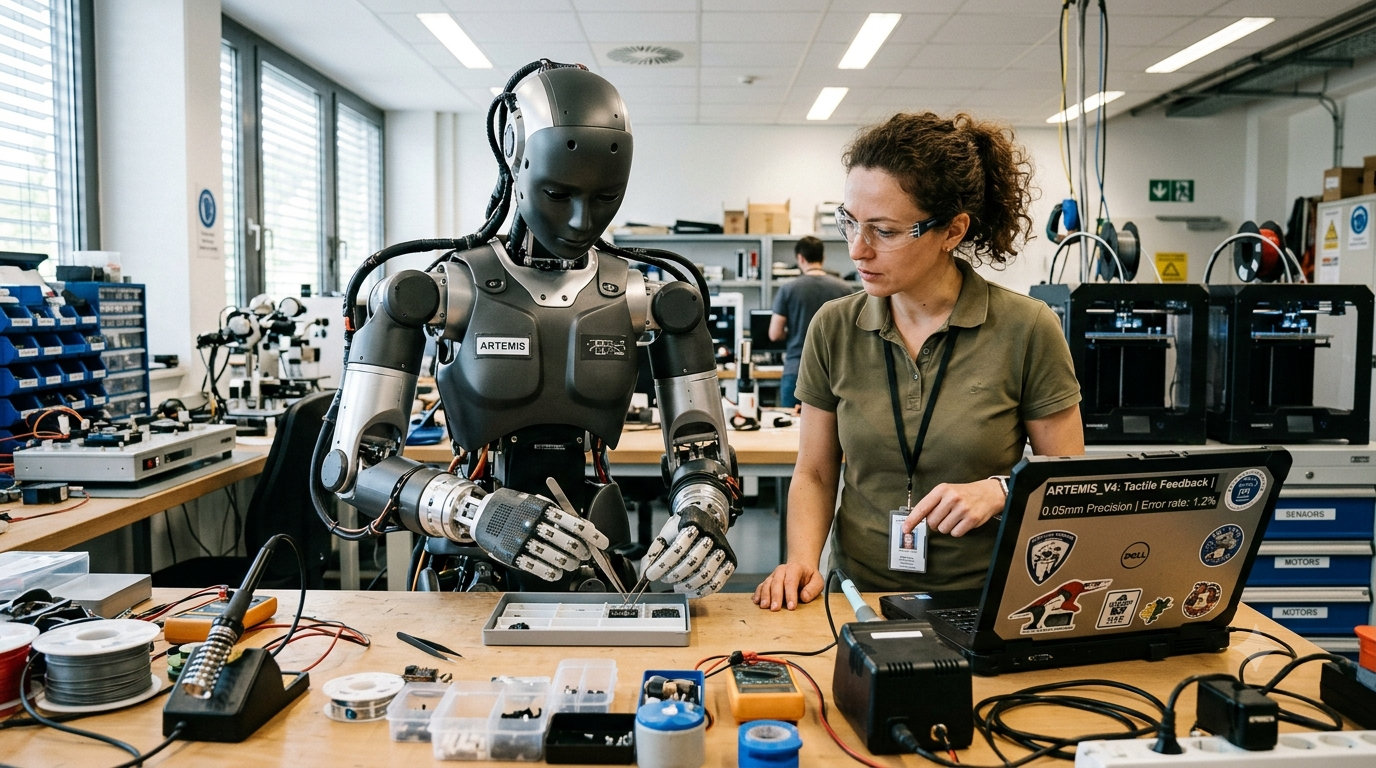
Physical AI and Embodied Robotics: Intelligence Steps Out of the Screen

Physical AI combines generative models with robotics, enabling autonomous agents to interact directly with the physical world. Moving beyond digital screens, embodied intelligent systems now operate self-driving warehouse fleets, automated manufacturing lines, and humanoid maintenance robots. This convergence delivers real-time spatial decision-making and operational execution, fundamentally restructuring industrial productivity and global supply chain automation. What…

Read More

Healing the Healers: Ambient AI Scribes Eradicating Medical Administrative Burnout

Ambient AI clinical scribes utilize conversational artificial intelligence to listen quietly during doctor-patient consultations and instantly generate structured electronic health records. By automating clinical documentation and administrative workflows, these ambient systems eliminate hours of tedious keyboard work for physicians. This technology directly reduces healthcare professional burnout while allowing clinicians to devote their full attention to…

Read More

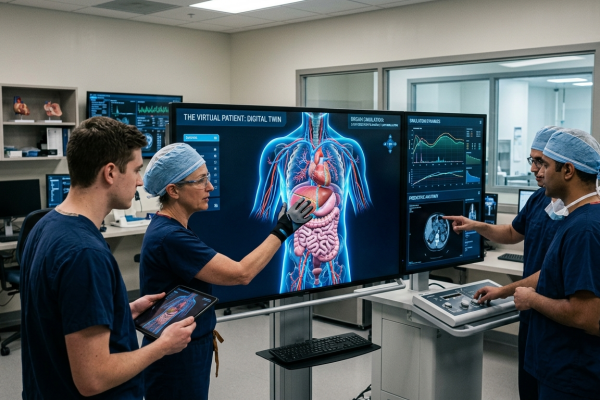
The Virtual Patient: Digital Twins Accelerating Surgical Planning and Organ Simulation

About (in 60 words) Digital twin technology creates virtual, highly accurate replicas of human organs, biological systems, or whole patient physiology. By aggregating real-time biomechanical and physiological data, medical teams can simulate surgeries, test complex drug reactions, and model disease progression risk-free before performing clinical procedures. This continuous simulation empowers doctors to deliver safer, predictive,…

Read More

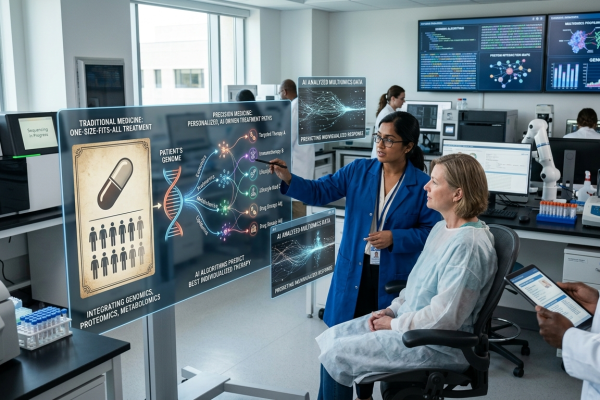
Beyond One-Size-Fits-All: Genomic Precision Medicine and AI-Driven Multiomics

Genomic precision medicine tailors medical treatments to an individual’s unique genetic profile and molecular data. By analyzing DNA sequencing, multiomics, and biomarker patterns, clinicians can replace broad, generalized care with targeted therapies. This approach allows doctors to detect inherited diseases early, predict drug efficacy, and deliver personalized oncological treatments that significantly improve patient survival rates….

Read More

The Skills Currency: Micro-Credentials and Verifiable Blockchain Records Replacing Traditional Degrees

The modern labor market is prioritizing proven competencies over traditional four-year degrees, driving the explosive growth of skill-focused micro-credentials. Supported by secure blockchain verification, digital badges allow learners to own, showcase, and transfer verified competencies directly to employers. This shift makes lifelong upskilling faster, significantly cheaper, and precisely aligned with evolving industry needs. What is…

Read More

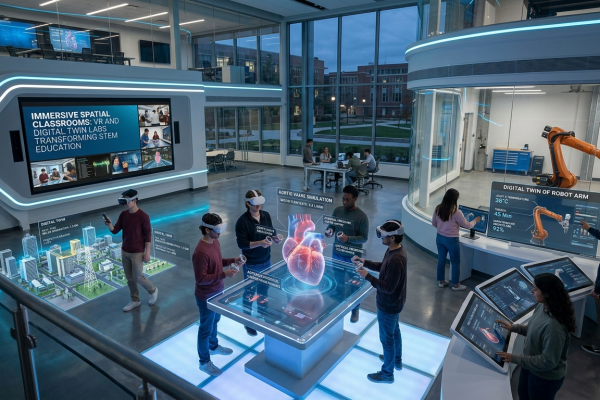
Immersive Spatial Classrooms: VR and Digital Twin Labs Transforming STEM Education

Spatial computing, augmented reality (AR), and virtual reality (VR) are turning abstract classroom textbooks into interactive 3D learning environments. Students can now dissect virtual cadavers, conduct high-risk chemistry experiments in digital twin labs, or tour historical sites remotely. This hands-on, experiential approach drastically boosts engagement, memory retention, and practical skill acquisition in global education. What…

Read More

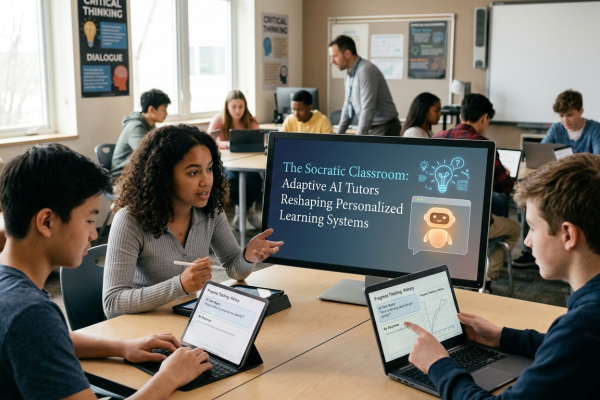
The Socratic Classroom: Adaptive AI Tutors Reshaping Personalized Learning Systems

Adaptive AI tutoring platforms are fundamentally replacing static lectures with dynamic, 1-on-1 Socratic learning experiences. By evaluating each student’s real-time comprehension, pacing, and cognitive retention, these systems tailor instructional content instantly. Teachers transition from repetitive lecturing to high-impact mentorship, while learners across the globe gain immediate access to personalized, interactive academic support that eliminates traditional…

Read More