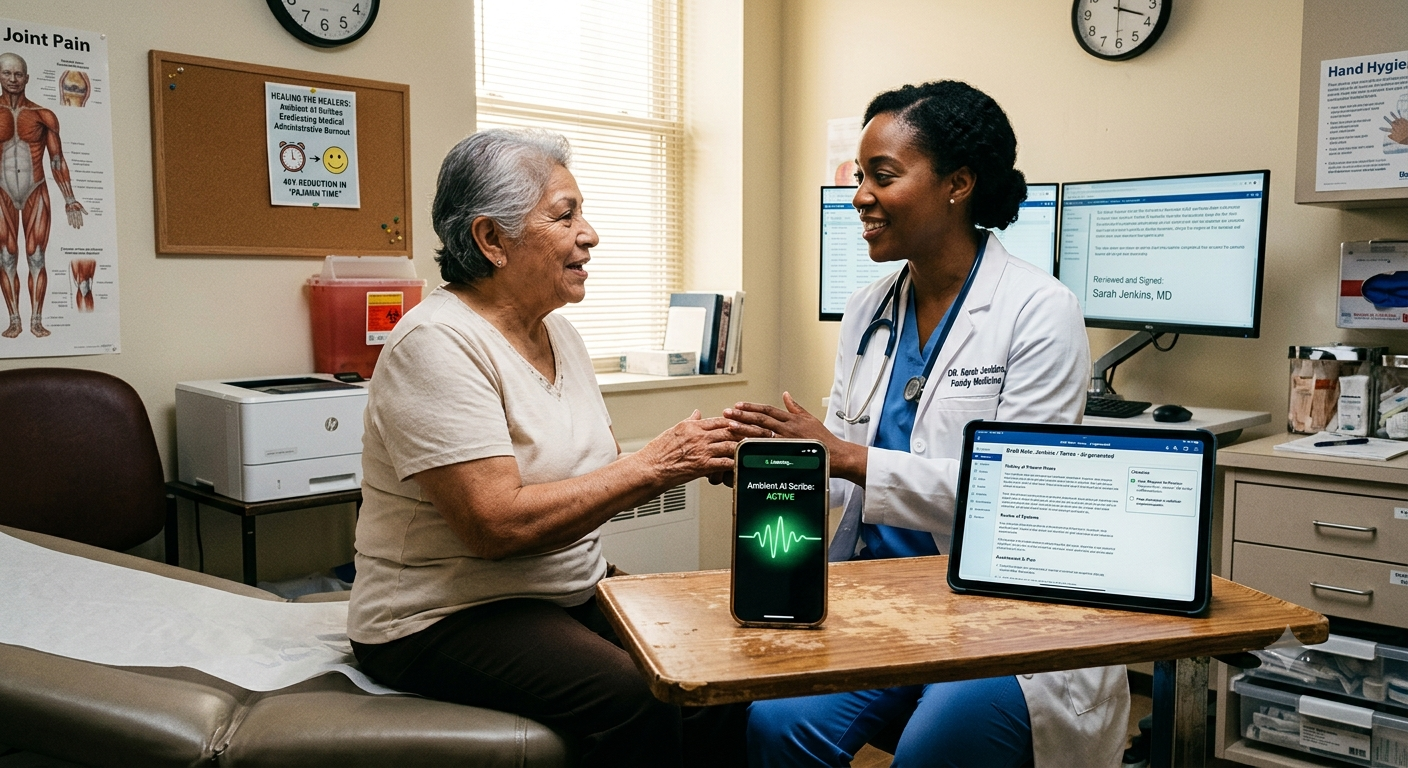





Healing the Healers: Ambient AI Scribes Eradicating Medical Administrative Burnout

Ambient AI clinical scribes utilize conversational artificial intelligence to listen quietly during doctor-patient consultations and instantly generate structured electronic health records. By automating clinical documentation and administrative workflows, these ambient systems eliminate hours of tedious keyboard work for physicians. This technology directly reduces healthcare professional burnout while allowing clinicians to devote their full attention to patient care.
What is it?
An ambient AI clinical scribe is a voice-activated software application that uses natural language processing and domain-specific speech recognition to capture, summarize, and structure doctor-patient conversations into formal clinical notes inside Electronic Health Record (EHR) systems.
Rise of it
The rise of ambient scribes was driven by severe clinician burnout—often referred to as “pajama time,” where physicians spent 2 to 3 hours every night manually typing patient charts. The rapid advancement of large language models (LLMs) trained specifically on medical terminology made accurate real-time transcription possible.
Continues to Expand
Ambient documentation is expanding rapidly from primary care and emergency departments into specialized fields like psychiatry, pediatrics, oncology, and home health visits. Systems are evolving from passive scribes into proactive clinical assistants that suggest relevant order sets and lab tests during the visit.
Cloud Computing Enables Growth
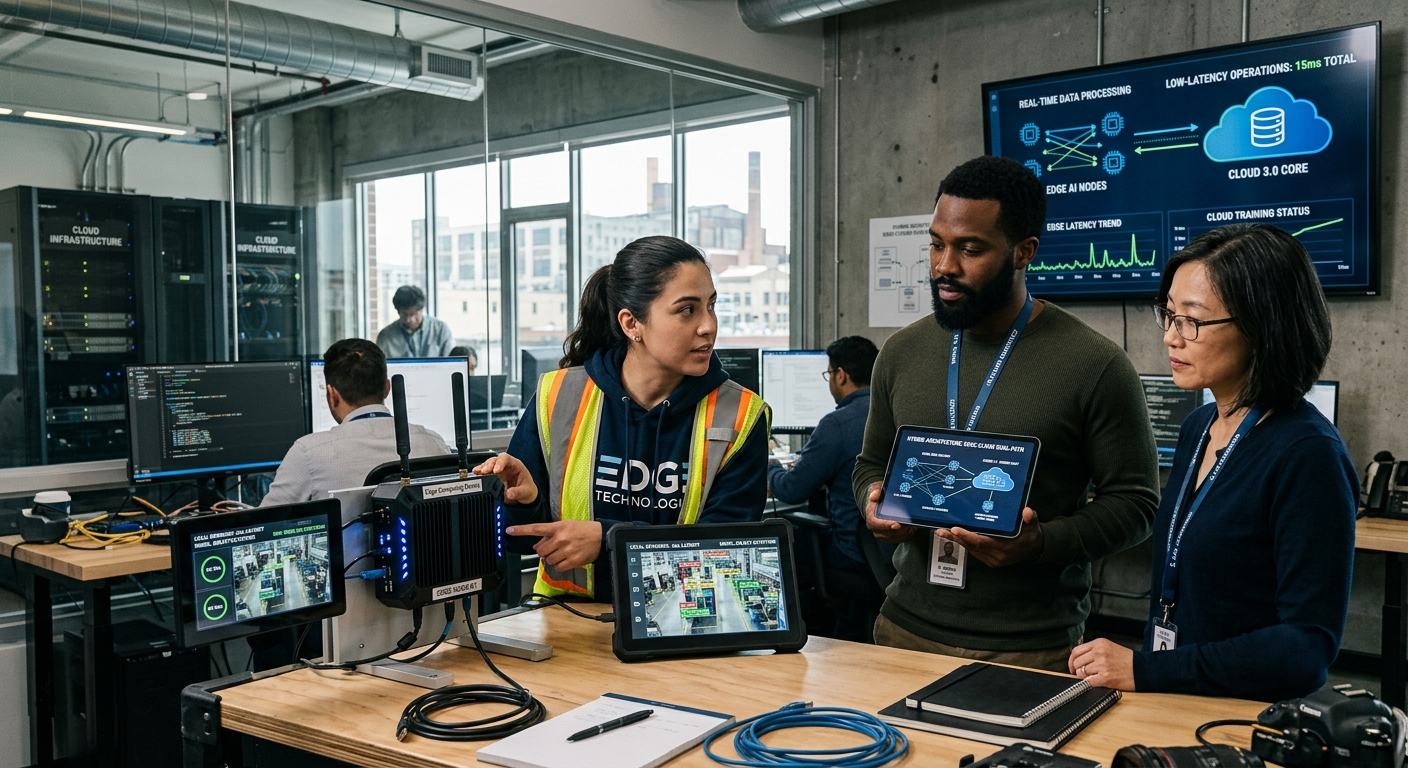
Ambient AI relies on continuous audio streaming and instant natural language processing. Cloud infrastructure provides the serverless API pipelines, enterprise-grade encryption, and real-time transcription engines required to process thousands of concurrent clinical conversations with zero latency.
Opportunities for Entrepreneurs
- Specialty-Specific Scribing Solutions: Building tailored ambient assistants for niche areas like dentistry, dermatology, or physical therapy.
- Multilingual Translation Scribes: Systems that capture consultations conducted in multiple regional languages and output standardized medical records.
- Automated Coding & Billing Engines: AI tools that translate ambient clinical notes directly into ICD-10 medical billing codes.
Challenges
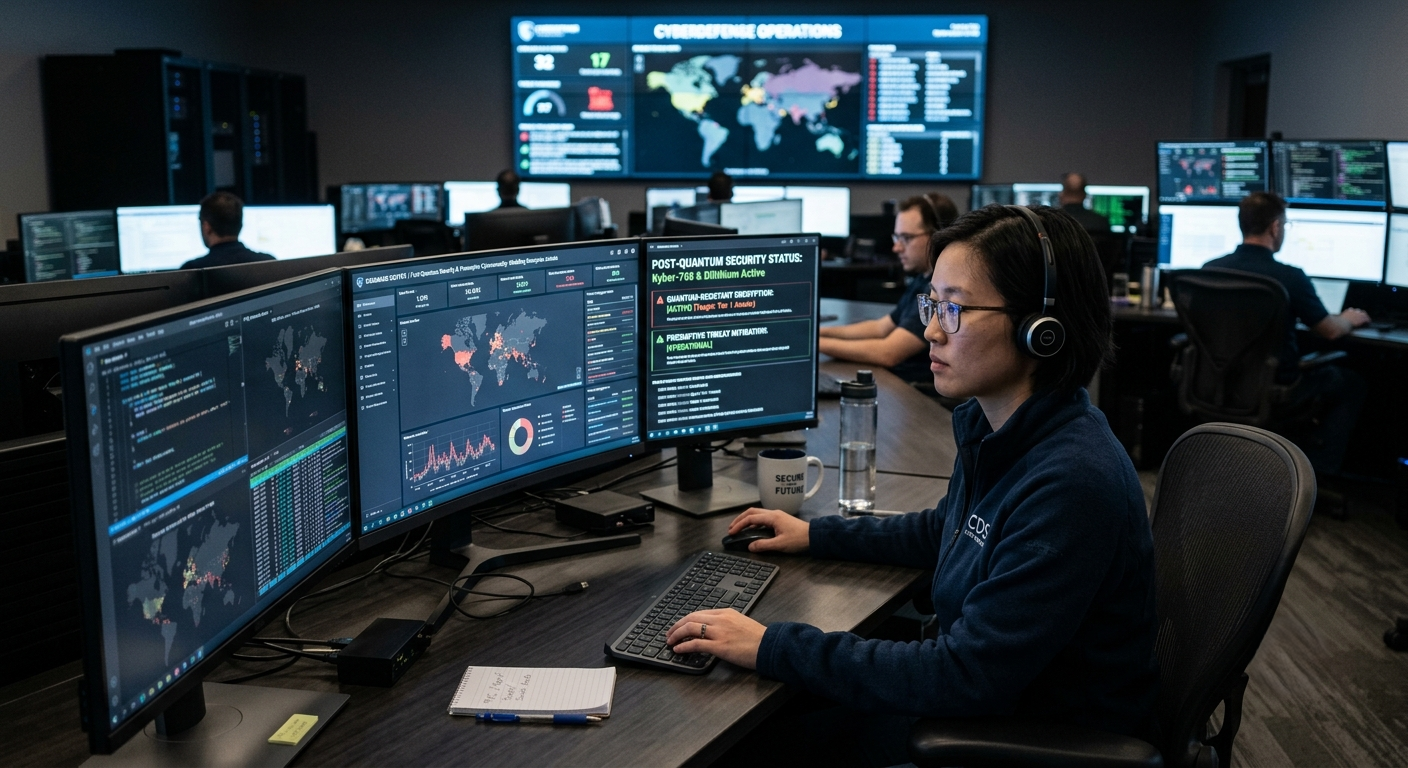
- Ensuring complete patient data privacy under regulations like HIPAA and GDPR.
- Filtering out background noise, multi-party banter, and non-clinical conversational crosstalk.
- Preventing hallucinated medical details that could lead to inaccurate charting without physician review.
Future Outlook
Ambient AI will transform from simple transcribers into full operational co-pilots across hospitals. They will automatically coordinate follow-up appointments, draft prescription requests, and generate clear patient discharge instructions instantly after every consultation.
Conclusion
Ambient AI scribes restore human connection to clinical medicine by relieving doctors of administrative burdens and refocusing healthcare on compassionate patient care.
Frequently Asked Questions
- 1. What is it? It is an AI tool that listens to doctor-patient visits in the background and automatically generates structured clinical notes for electronic medical records.
- 2. How does AI contribute to it? AI uses specialized speech recognition and medical language models to extract relevant clinical facts from natural conversation and format them accurately.
- 3. What industries benefit the most? Hospital networks, outpatient clinics, private medical practices, tele-health services, and medical billing organizations.