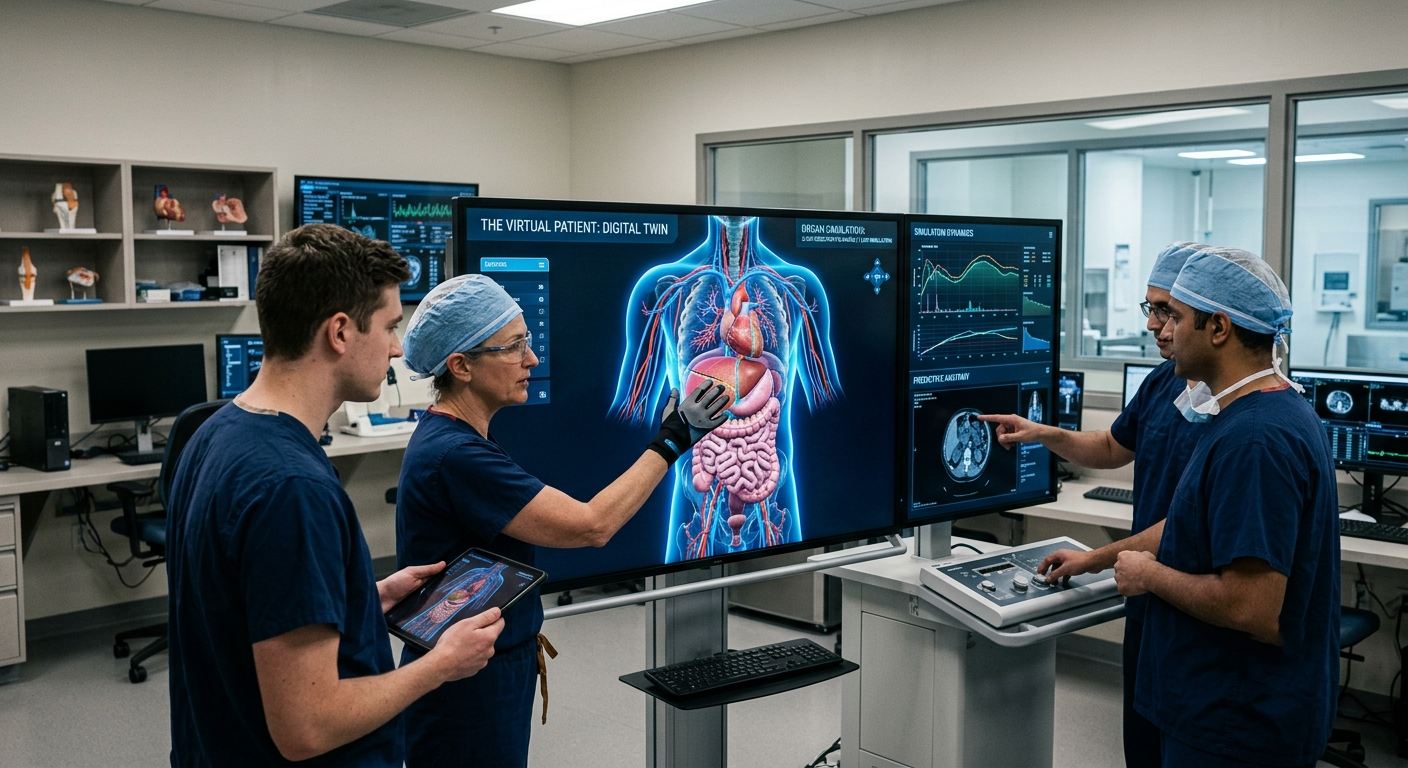








Beyond One-Size-Fits-All: Genomic Precision Medicine and AI-Driven Multiomics
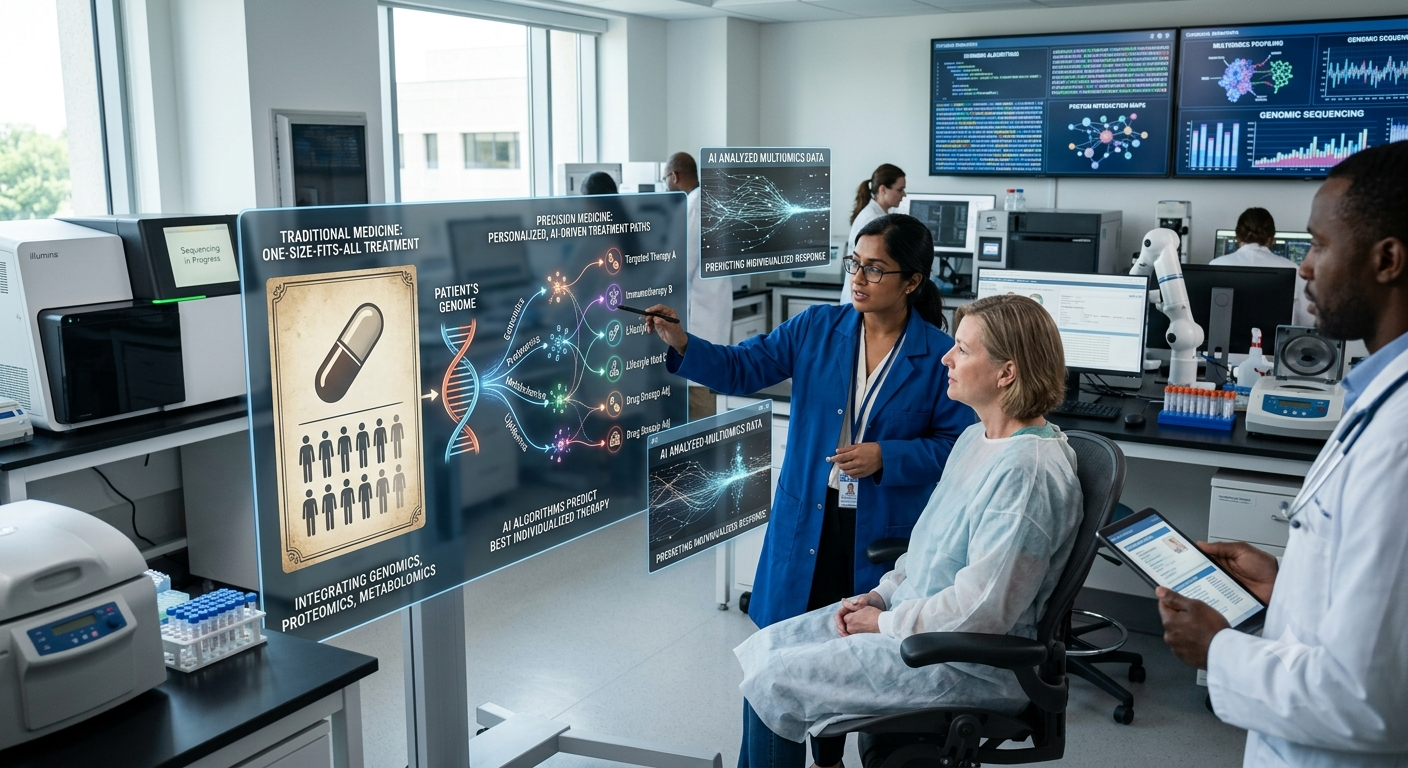
Genomic precision medicine tailors medical treatments to an individual’s unique genetic profile and molecular data. By analyzing DNA sequencing, multiomics, and biomarker patterns, clinicians can replace broad, generalized care with targeted therapies. This approach allows doctors to detect inherited diseases early, predict drug efficacy, and deliver personalized oncological treatments that significantly improve patient survival rates.
What is it?
Genomic precision medicine is an advanced healthcare model that uses a patient’s genetic sequence, RNA transcripts, proteins, and metabolic markers to customize disease prevention, diagnosis, and treatment. Instead of relying on population averages, treatments are tailored directly to the specific genetic variations driving a patient’s condition.
Rise of it
The rise of precision medicine has been catalyzed by the plummeting cost of next-generation DNA sequencing (NGS) alongside major breakthroughs in bioinformatics. As oncologists and geneticists recognized that identical cancer types respond differently across individuals, the medical community shifted toward target-specific bio-therapies.
Continues to Expand
Once restricted to rare genetic disorders and specialized oncology clinics, precision medicine is expanding into cardiology, neurology, autoimmune management, and preventive primary care. Pharmacogenomics—testing how genes affect a person’s response to medications—is rapidly becoming a standard protocol in routine prescription management.
Cloud Computing Enables Growth
Sequencing a single human genome produces gigabytes of raw data. Cloud computing provides the massive distributed storage, high-throughput compute clusters, and elastic database architectures needed to process millions of genomic variants in parallel. Cloud infrastructure allows global research centers to collaborate securely and query vast biobanks in real time.
Opportunities for Entrepreneurs
- Bioinformatics Analytics Platforms: Tools that translate complex genomic datasets into actionable clinical summaries for doctors.
- Direct-to-Consumer Epigenetics: Kits and apps that track gene expression changes influenced by lifestyle and diet over time.
- Targeted Drug Discovery Tools: Platforms that match rare disease biomarkers with candidate therapeutic molecules.
Challenges
- High cost of specialized gene therapies and complex diagnostic panels.
- Strict data security requirements for handling sensitive genomic data.
- A shortage of trained genetic counselors to interpret raw molecular findings for patients.
Future Outlook
Precision medicine will evolve into proactive, continuous health optimization. Synthetic biology, gene-editing techniques like CRISPR, and mRNA therapies will enable doctors to fix pathogenic mutations before clinical symptoms ever manifest.
Conclusion
Genomic precision medicine marks a fundamental paradigm shift from reactive treatment to targeted prevention, ushering in an era where healthcare is designed around the individual biological blueprint.
Frequently Asked Questions
- 1. What is it? It is a medical approach that customizes healthcare decisions, treatments, and dosages based on a patient’s individual genetic profile and molecular biomarkers.
- 2. How does AI contribute to it? AI analyzes vast multiomic datasets, identifies disease-causing mutations, predicts drug-gene interactions, and accelerates the discovery of targeted molecular therapies.
- 3. What industries benefit the most? Oncology, pharmaceutical research, biotechnology, clinical diagnostics, and health insurance risk assessment.