





The Autonomous Enterprise: How Agentic AI is Rewiring Modern Business Operations
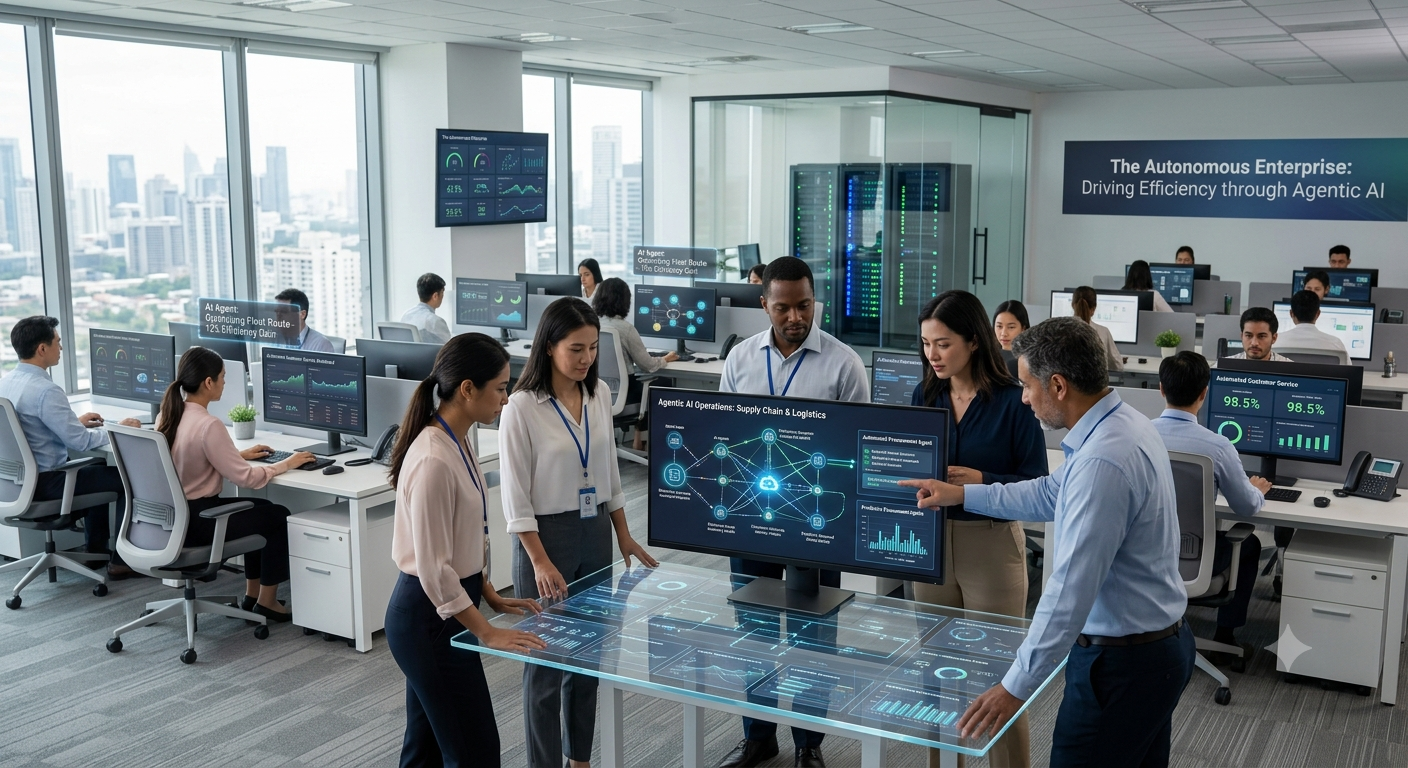
Agentic AI represents a pivotal evolution in modern enterprise automation. Unlike traditional software that merely follows static scripts or answers basic prompts, autonomous AI agents independently plan, execute, and adapt multi-step business workflows. From managing complex supply chain logistics to handling real-time customer triage, agentic systems are driving unprecedented operational efficiency across global industries.
What is it?
Agentic AI refers to software systems equipped with autonomous decision-making capabilities that allow them to achieve specific goals without step-by-step human intervention. These systems break down complex business problems into actionable tasks, interact with enterprise databases, collaborate with other digital agents, and execute multi-stage workflows seamlessly.
Rise of it
The rise of agentic AI stems from the limitations of static generative models, which require constant human prompt engineering. As businesses sought to scale automation, the demand shifted toward systems capable of end-to-end task execution. Rapid advancements in multi-agent orchestration and domain-specific models have accelerated widespread corporate adoption.
Continues to Expand
Agentic AI is expanding beyond isolated software functions into core operational sectors. Enterprise adoption is soaring across IT management, software development, procurement, automated underwriting, and human resource management.
Cloud Computing Enables Growth
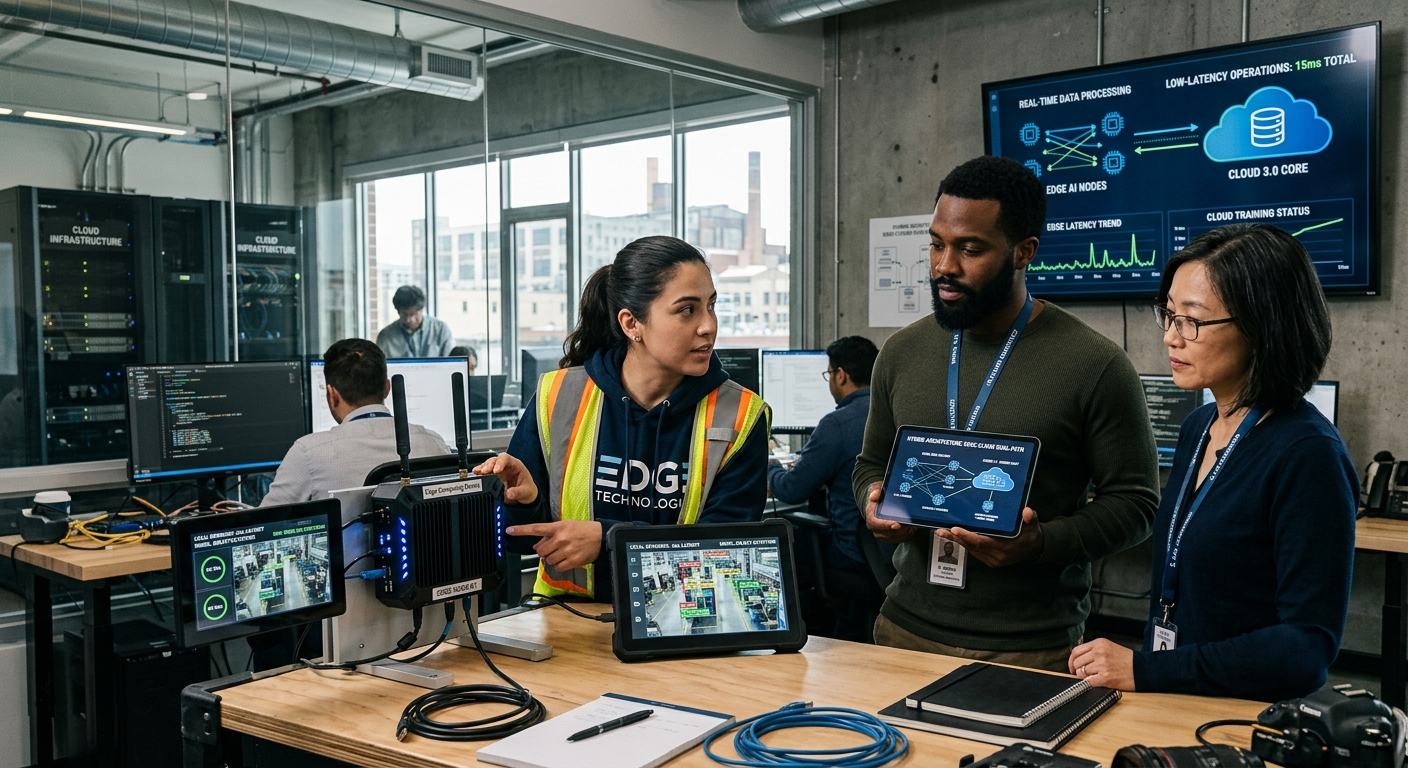
Cloud computing serves as the backbone for agentic AI by offering scalable high-performance compute infrastructure and real-time data access. Cloud-native platforms provide low-latency APIs and serverless architectures required for multi-agent coordination, enabling organizations to deploy intelligent workflows globally without immense upfront hardware investments.
Opportunities for Entrepreneurs
Entrepreneurs can capitalize on this wave by building specialized agent frameworks, niche workflow integrations, agent monitoring tools, and domain-specific AI models. Offering consulting services for legacy enterprise integration and governance also presents a lucrative market opportunity.
Challenges
Key challenges include data security risks, model hallucination, lack of auditability in autonomous decisions, integration hurdles with legacy software, and high computing resource costs.
Future Outlook
The future will feature fully autonomous corporate departments where human employees focus on strategic high-level oversight while AI networks manage daily operations, resource allocation, and customer interactions autonomously.
Conclusion
Agentic AI is transforming the enterprise landscape from passive digital assistance to active, autonomous execution. Businesses that effectively integrate these systems will achieve superior agility, productivity, and competitive advantage.
Frequently Asked Questions
- 1. What is it?It is an advanced form of artificial intelligence capable of planning, making decisions, and executing multi-step business tasks independently.
- 2. How does AI contribute to it?AI supplies the foundational large language models, reasoning capabilities, and machine learning feedback loops that enable agents to evaluate options, solve problems, and optimize workflows dynamically.
- 3. What industries benefit the most?Financial services, software engineering, logistics, healthcare administration, and e-commerce benefit most through automated processing and decision-making.